Climate change is no longer a distant issue. It affects daily life, business decisions, and global policies. As awareness grows, people and companies are looking for practical ways to reduce their environmental impact. One approach that often comes up is carbon offset programs. These programs offer a way to balance out emissions by supporting projects that reduce or remove carbon from the atmosphere. While the idea sounds simple, the process behind it is more detailed. Understanding how it works helps you make better choices and see its real value.
The Core Idea Behind Carbon Offsetting
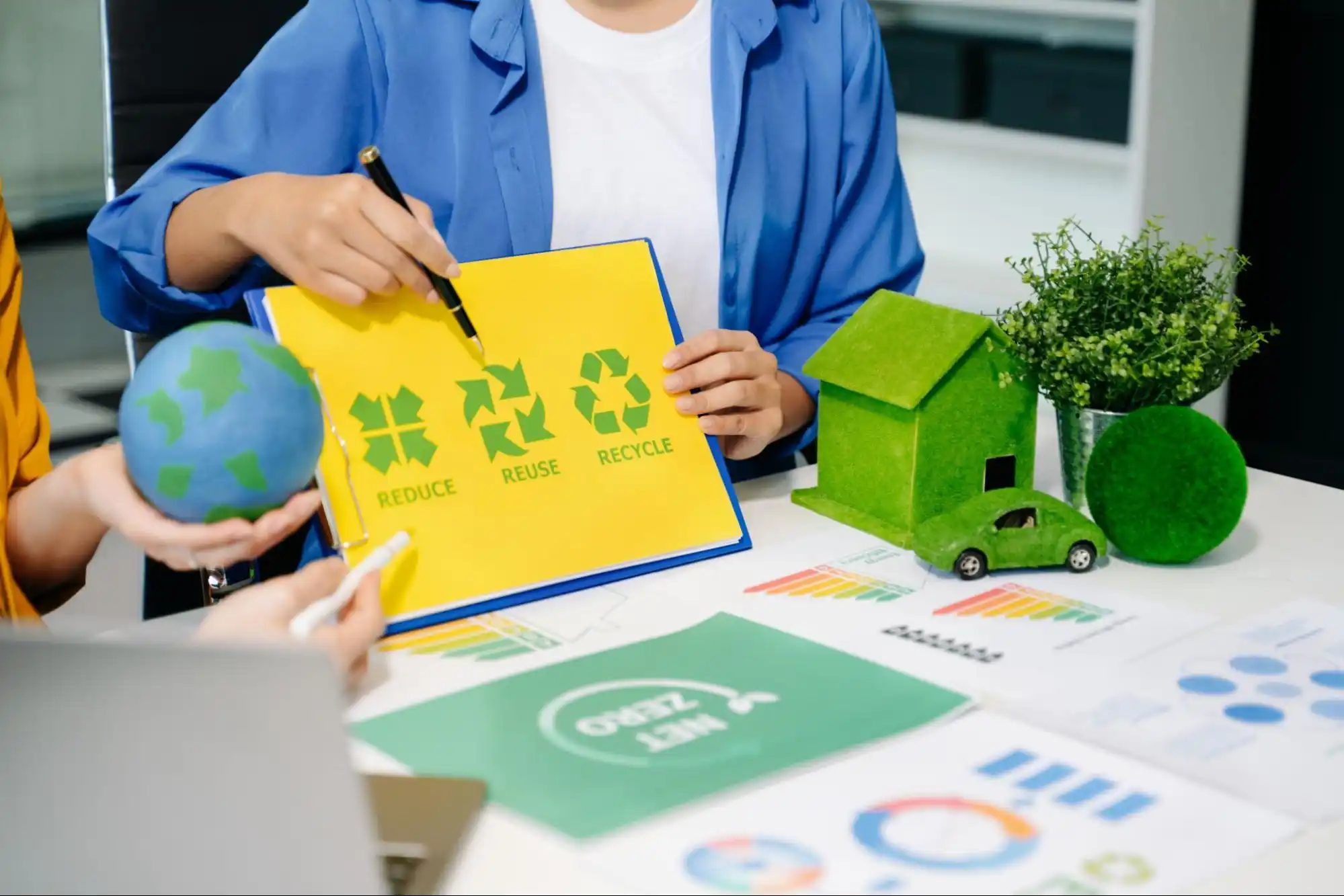
At its core, carbon offsetting is about balance. When an activity produces carbon emissions, an equivalent amount is reduced elsewhere. This creates a form of compensation. Carbon offset programs are built on this idea. They allow individuals and businesses to take responsibility for emissions that are difficult to avoid. The goal is not to ignore emissions but to manage them in a practical way.
Why Offsetting Became Necessary
Some industries cannot eliminate emissions easily. Air travel, manufacturing, and heavy transport still rely on fossil fuels. Even with cleaner technology, reaching zero emissions takes time. Carbon offset programs provide a temporary solution by addressing emissions that cannot yet be removed completely. This makes them a useful tool during the transition to cleaner systems.
The Balance Between Emissions and Compensation
The concept of balance is simple but important. If a company produces a certain amount of carbon, it can fund projects that reduce the same amount elsewhere. This creates a net effect that supports climate goals. Carbon offset programs rely on accurate measurement to ensure this balance is real and not just theoretical.
How Carbon Offset Programs Actually Work
Understanding the process behind carbon offset programs helps explain their value. It involves several steps that connect emissions with environmental projects. Each step must be handled carefully to ensure accuracy and credibility.
Measuring Carbon Footprints
The first step is calculating emissions. This can include energy use, travel, production, and other activities. Tools and methods are used to estimate the total carbon output. Once this number is known, it becomes easier to decide how much offset is needed. Carbon offset programs depend on this calculation to match emissions with reductions.
Generating Carbon Credits
Environmental projects create carbon credits by reducing or capturing emissions. For example, a wind farm can replace fossil fuel energy, while a forest can absorb carbon dioxide. Each credit represents a specific amount of carbon reduced or removed. Carbon offset programs use these credits as a way to track and trade environmental impact.
Purchasing and Retiring Credits
Once credits are available, they can be purchased by individuals or companies. After purchase, the credits are retired. This means they cannot be used again. Retirement ensures that the reduction is counted only once. This step is essential for maintaining trust in carbon offset programs.
Types of Projects Used in Carbon Offset Programs
Different types of projects support the goals of carbon offset programs. Each type addresses emissions uniquely and contributes to environmental improvement.
Renewable Energy Projects
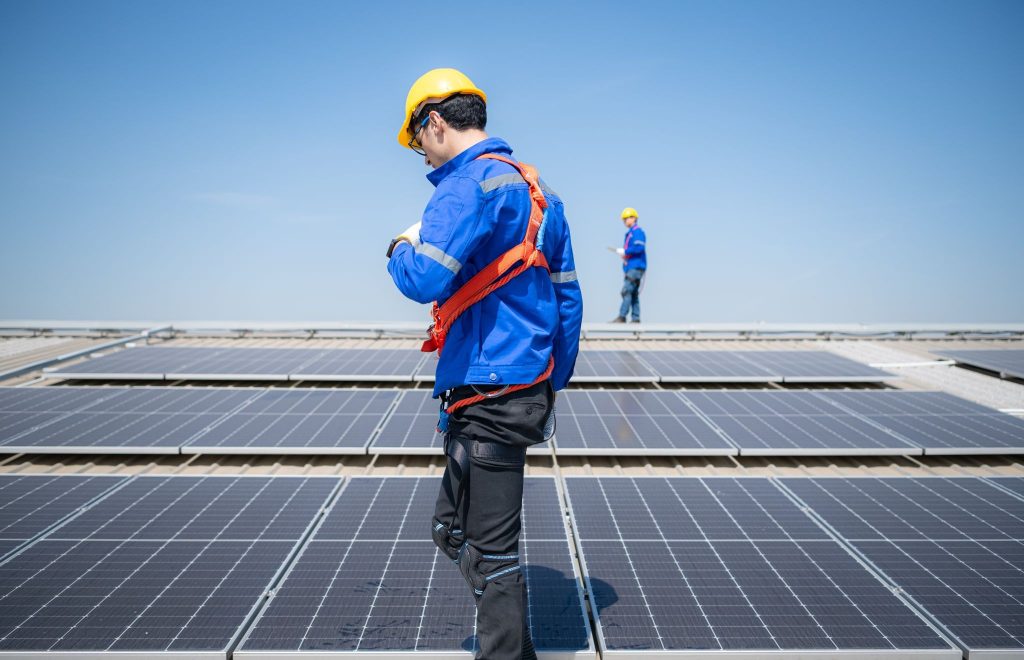
Renewable energy projects focus on replacing fossil fuels with cleaner sources. Solar panels, wind turbines, and hydro power systems reduce the need for carbon-heavy energy. These projects are common in carbon offset programs because they create measurable and reliable reductions.
Forestry and Reforestation Efforts
Forests play a key role in absorbing carbon dioxide. Projects that plant trees or protect existing forests help remove carbon from the atmosphere. Carbon offset programs often include these efforts because they provide long-term environmental benefits. They also support biodiversity and ecosystem health.
Carbon Capture and Storage
Some projects use technology to capture carbon directly from the air or from industrial sources. This carbon is then stored safely underground. While still developing, these solutions are becoming more important in carbon offset programs as technology improves.
Community-Based Environmental Projects
Local projects can also contribute to offsetting. These may include clean cooking solutions, waste management, or water conservation. Carbon offset programs that include community projects often provide social benefits along with environmental impact.
The Role of Verification and Standards
Trust is a major factor in the success of carbon offset programs. Without proper verification, it is difficult to know if the claimed reductions are real. This is why standards and certification bodies play a key role.
Certification Bodies and Standards
Organizations set rules and guidelines for carbon credits. They review projects to ensure they meet specific criteria. These standards help maintain quality and consistency across carbon offset programs. They also provide confidence to buyers.
Ensuring Real and Measurable Impact
Verification involves checking that projects deliver the promised results. This includes regular monitoring and reporting. Carbon offset programs rely on this process to ensure that each credit represents a real reduction. Without it, the system would lose credibility.
Benefits of Carbon Offset Programs
There are several benefits linked to carbon offset programs. They offer a flexible way to support climate action while also encouraging broader change.
Supporting Global Climate Goals
Carbon offset programs contribute to reducing overall emissions. By funding environmental projects, they support global efforts to limit climate change. This makes them an important part of larger sustainability strategies.
Encouraging Sustainable Development
Many projects provide benefits beyond carbon reduction. They can create jobs, improve local communities, and protect natural resources. Carbon offset programs often support these broader outcomes, making them valuable in multiple ways.
Flexibility for Businesses and Individuals
Offsetting allows people and companies to take action even when direct reduction is not possible. This flexibility makes carbon offset programs accessible and practical for different situations.
Criticism and Challenges of Carbon Offsetting
Despite their benefits, carbon offset programs are not without criticism. Understanding these concerns helps create a balanced view.
Questions Around Effectiveness
Some critics argue that offsets do not always lead to real reductions. If projects are not properly managed, the impact may be less than expected. This raises questions about the reliability of carbon offset programs.
Risk of Greenwashing
There is also concern that some companies use offsets to appear environmentally friendly without making real changes. This practice, known as greenwashing, can reduce trust in carbon offset programs.
Long-Term Sustainability Concerns
Certain projects may not deliver lasting results. For example, forests can be affected by fires or deforestation. This creates uncertainty about the long-term impact. Carbon offset programs must address these risks to remain effective.
Carbon Offsetting vs Direct Emission Reduction
Offsetting is only one part of the solution. Reducing emissions at the source is equally important.
Why Reduction Should Come First
Cutting emissions directly has a more immediate impact. It reduces the amount of carbon entering the atmosphere. Carbon offset programs should not replace reduction efforts but support them.
How Offsetting Complements Reduction
When reduction is not possible, offsetting can fill the gap. Together, these strategies create a more complete approach to climate action.
How to Choose Reliable Carbon Offset Programs
If you want to take part, it is important to choose carefully. Not all programs offer the same level of quality.
Key Factors to Look For
Look for transparency, clear data, and recognized certification. Reliable carbon offset programs provide detailed information about their projects and results.
Avoiding Low Quality Offsets
Be cautious of programs that lack clear documentation. Low-quality offsets may not deliver real impact. Choosing carefully ensures your contribution makes a difference.
The Future of Carbon Offset Programs
The future of carbon offset programs will likely involve new technology and stronger regulations. These changes can improve effectiveness and trust.
Advances in Carbon Removal Technology
New methods for capturing carbon are being developed. These technologies may increase the impact of carbon offset programs in the coming years.
Policy and Market Trends
Governments and organizations are creating new rules for carbon markets. These policies can shape how carbon offset programs operate and improve their reliability.
Conclusion
Carbon offset programs offer a practical way to address emissions that cannot be avoided. They connect everyday actions with global environmental efforts. While they are not a complete solution, they play an important role in the transition to a more sustainable future. Understanding how they work helps you use them wisely and make informed decisions.
FAQs
1. What are carbon offset programs in simple terms?
Carbon offset programs are systems that allow individuals or companies to balance their carbon emissions by funding projects that reduce or remove carbon from the atmosphere. These projects can include renewable energy, tree planting, or community initiatives that lower overall environmental impact.
2. Do carbon offset programs really reduce emissions?
Carbon offset programs can reduce emissions if the projects are properly verified and managed. Their effectiveness depends on accurate measurement, reliable certification, and long-term monitoring to ensure that the promised carbon reductions are actually achieved and maintained over time.
3. Are carbon offset programs a replacement for reducing emissions?
No, carbon offset programs are not a replacement for reducing emissions. They are meant to complement direct reduction efforts. The best approach is to first lower emissions wherever possible and then use offsets to manage what cannot be eliminated.
4. How can I choose a trustworthy carbon offset program?
To choose a reliable program, look for transparency, certification by recognized standards, and clear reporting of results. Trustworthy carbon offset programs provide detailed information about their projects and demonstrate real, measurable environmental impact through verified data.
5. What types of projects are included in carbon offset programs?
Carbon offset programs include a variety of projects such as renewable energy development, forest conservation, carbon capture technology, and community-based environmental initiatives. Each type focuses on reducing or removing carbon emissions while often providing additional environmental and social benefits.