
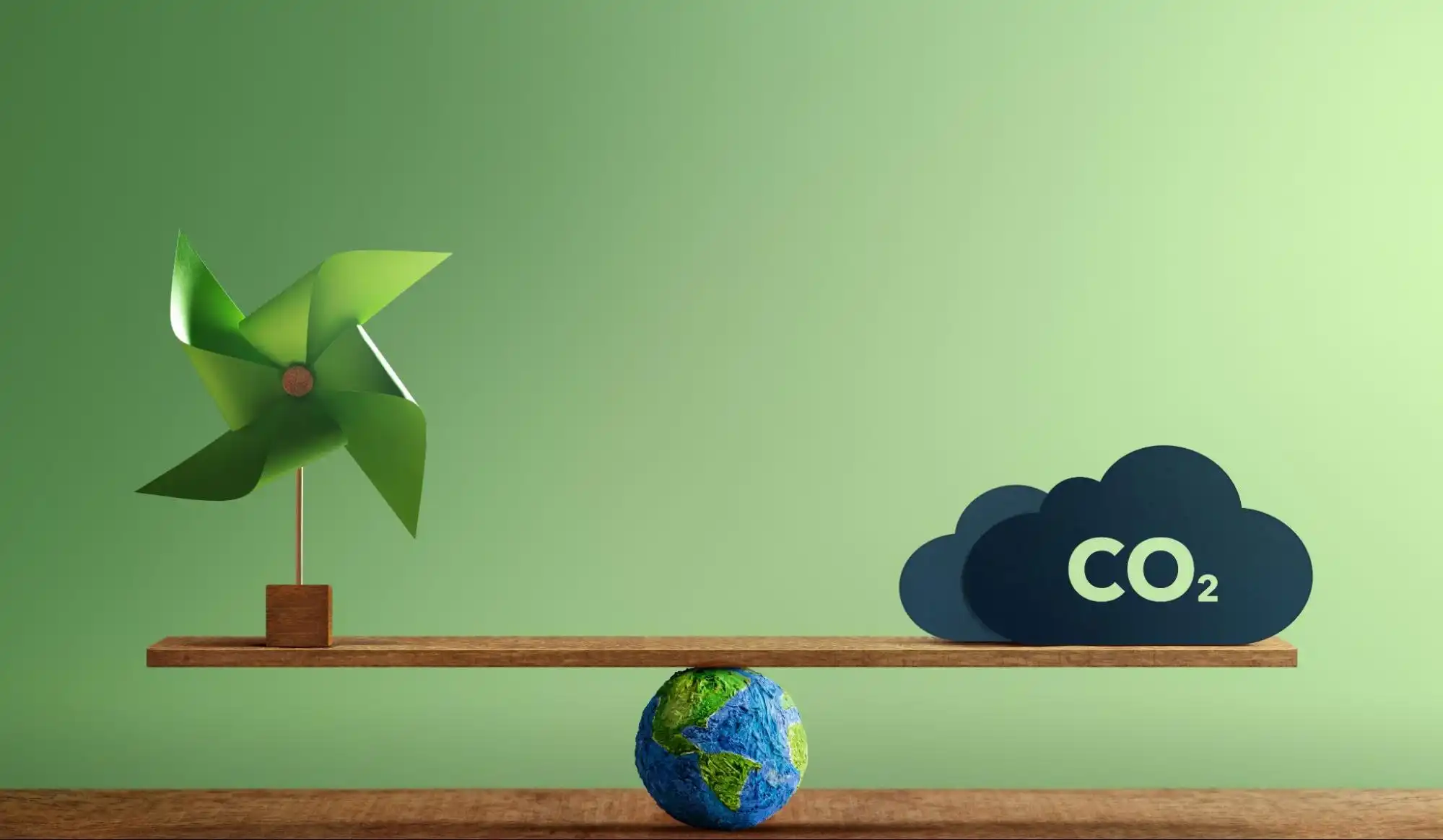
Carbon offset programs are more than just a buzzword in the climate change conversation. They represent a tangible way to address the growing challenge of climate change. With the planet facing severe threats from rising temperatures and environmental degradation, it is crucial to adopt effective climate mitigation strategies. This guide aims to provide you with advanced insights into carbon offset programs, discussing their significance, emerging trends, and how they can strategically position us for a more sustainable future.
Understanding Carbon Offset Programs
At their core, carbon offset programs are designed to help individuals and companies reduce their carbon footprints. But what does that mean exactly? A carbon offset program allows you to compensate for your carbon emissions by investing in projects that reduce or remove carbon dioxide from the atmosphere. This can take many forms, from renewable energy projects to reforestation efforts.
How do these programs actually work? When you purchase a carbon offset, you are essentially buying a carbon credit. Each credit represents a reduction of one metric ton of carbon dioxide emissions. The money from these credits funds various projects aimed at reducing greenhouse gas emissions, which helps balance out the emissions you produce. This system not only supports environmental projects but also promotes sustainable practices worldwide.
The Importance of Carbon Offset Programs in Climate Mitigation
With climate change becoming an urgent global issue, the role of carbon offset programs is more critical than ever. These programs contribute significantly to national and international climate goals, providing a pathway for individuals and businesses to take responsibility for their carbon emissions. They help bridge the gap between current emissions and the target reductions called for in climate agreements like the Paris Accord.
Beyond just achieving carbon neutrality, carbon offset programs offer additional benefits. They promote biodiversity, support local economies, and create jobs. For instance, reforestation projects not only sequester carbon but also enhance local ecosystems and improve air quality. By investing in these programs, you are contributing to a healthier planet while also fostering economic growth in communities that often need it the most.
Emerging Trends in Carbon Offset Programs
Corporate Carbon Offsetting
Corporate responsibility is taking center stage in the world of carbon offsetting. More companies are recognizing that their operations contribute to climate change and are taking action to reduce their carbon footprints. This shift is partly driven by consumer demand for sustainable practices. Customers are increasingly looking for brands that prioritize environmental responsibility, which has pushed businesses to adopt carbon offset programs as part of their sustainability strategies.
Many companies are now implementing comprehensive carbon offset initiatives that align with their brand values. For example, tech giants and fashion labels are investing in renewable energy projects and sustainable forestry. These efforts not only help reduce their carbon emissions but also enhance their brand image and attract eco-conscious consumers. As more companies embrace this responsibility, the impact of carbon offset programs will continue to grow.
Technological Innovations
Technology is playing a significant role in the evolution of carbon offset programs. Innovations in tracking and transparency are making it easier for companies and individuals to understand the impact of their investments. For instance, blockchain technology is being used to create a transparent and secure way to track carbon credits. This ensures that the credits purchased lead to legitimate and verifiable emissions reductions.
Artificial intelligence is also being applied to improve the efficiency of carbon offset projects. By analyzing data, AI can help identify the most effective strategies for emissions reduction. This tech-driven approach not only enhances the credibility of carbon offset programs but also increases their effectiveness in combating climate change.
Strategic Positioning of Carbon Offset Programs
Policy and Regulation
The landscape of carbon offset programs is shaped by various policies and regulations. Understanding these frameworks is essential for anyone interested in engaging with carbon markets. Governments around the world are creating policies that incentivize carbon offsetting, such as tax breaks for companies that invest in green projects.
International agreements also play a pivotal role in shaping the effectiveness of these programs. Regulations can facilitate the growth of carbon markets or impose restrictions that make it harder for businesses to participate. Staying informed about these developments is crucial for strategic positioning in the carbon offset landscape.
Market Dynamics
The carbon credit market is influenced by several factors, including supply and demand. As more businesses and individuals recognize the importance of carbon offset programs, the demand for carbon credits is expected to rise. This increased interest can lead to higher prices for credits, making it essential for participants to understand market dynamics.
Understanding market trends can help organizations make informed decisions about when to purchase credits or invest in projects. Additionally, monitoring the emergence of voluntary and compliance markets can provide insights into growth opportunities within the carbon offset sector. Being aware of these dynamics allows organizations to position themselves strategically for future developments in carbon offset programs.
Evaluating the Effectiveness of Carbon Offset Programs
To truly understand the impact of carbon offset programs, it’s essential to evaluate their effectiveness. A successful carbon offset initiative should have clear criteria for assessing outcomes. This includes measuring the actual emissions reductions achieved through funded projects and verifying these results through independent assessments.
Challenges often arise in ensuring the integrity of carbon offset programs. Issues such as double-counting of credits or projects that do not deliver promised reductions can undermine trust in the system. Therefore, ongoing monitoring and transparency are crucial for maintaining the credibility of carbon offset initiatives.
The Future of Carbon Offset Programs
Looking ahead, the future of carbon offset programs appears promising. As awareness of climate change continues to grow, more people are seeking ways to make a difference. This shift in public consciousness will likely drive further innovation and investment in carbon offsetting.
Public awareness and education will play vital roles in shaping future initiatives. As individuals learn more about their carbon footprints and the impact of their choices, they will become more engaged in supporting carbon offset programs. This engagement can take many forms, from purchasing carbon credits to advocating for policies that promote sustainable practices.
Individuals can also participate in carbon offset programs at a personal level. This might mean supporting local reforestation projects or choosing to buy from companies that demonstrate a commitment to sustainability. Every small action contributes to a larger movement toward a healthier planet.
Conclusion
In summary, carbon offset programs are a critical component of climate action. They offer a practical way for individuals and businesses to address their carbon footprints while supporting projects that benefit the environment. With emerging trends in corporate responsibility and technological innovation, the impact of these programs is only set to grow. As we face the challenges of climate change, it is essential to consider how carbon offsetting can fit into our lives. By engaging with these initiatives, we can take tangible steps toward a more sustainable future. The time to act is now, and every effort counts in the fight against climate change.
FAQs
1. What are carbon offset programs?
Carbon offset programs allow individuals and companies to compensate for their carbon emissions by investing in projects that reduce or remove equivalent amounts of carbon dioxide from the atmosphere, such as renewable energy projects or reforestation efforts.
2. How do carbon offset programs work?
These programs generate carbon credits, which represent a reduction of one metric ton of carbon dioxide emissions. When a company or individual buys these credits, they fund projects that reduce greenhouse gas emissions, helping to balance out their own carbon footprint.
3. Why are carbon offset programs important?
Carbon offset programs are crucial for mitigating climate change. They provide a way for businesses and individuals to take responsibility for their emissions and contribute to global efforts aimed at reducing overall greenhouse gas levels in the atmosphere.
4. What trends are shaping carbon offset programs today?
Emerging trends include increased corporate responsibility, the use of technology for transparency, and the growing awareness of consumers regarding sustainability. These factors are driving more companies to adopt carbon offset strategies as part of their environmental commitments.
5. How can individuals participate in carbon offset programs?
Individuals can support carbon offset programs by purchasing carbon credits through reputable organizations, participating in local reforestation initiatives, or even by choosing to support businesses that have strong sustainability practices in place.