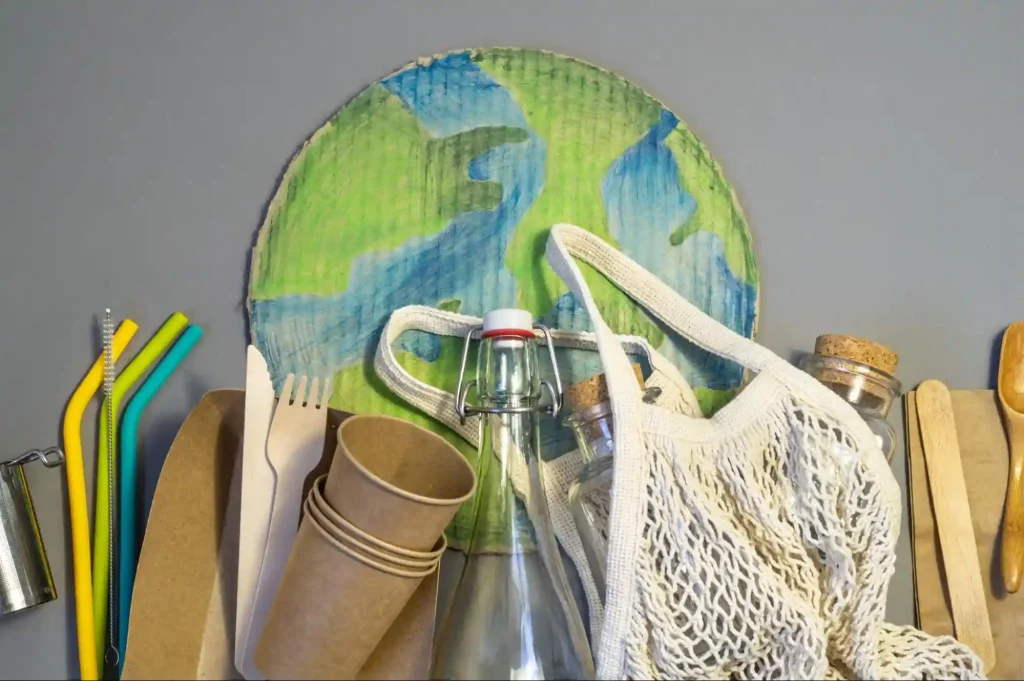
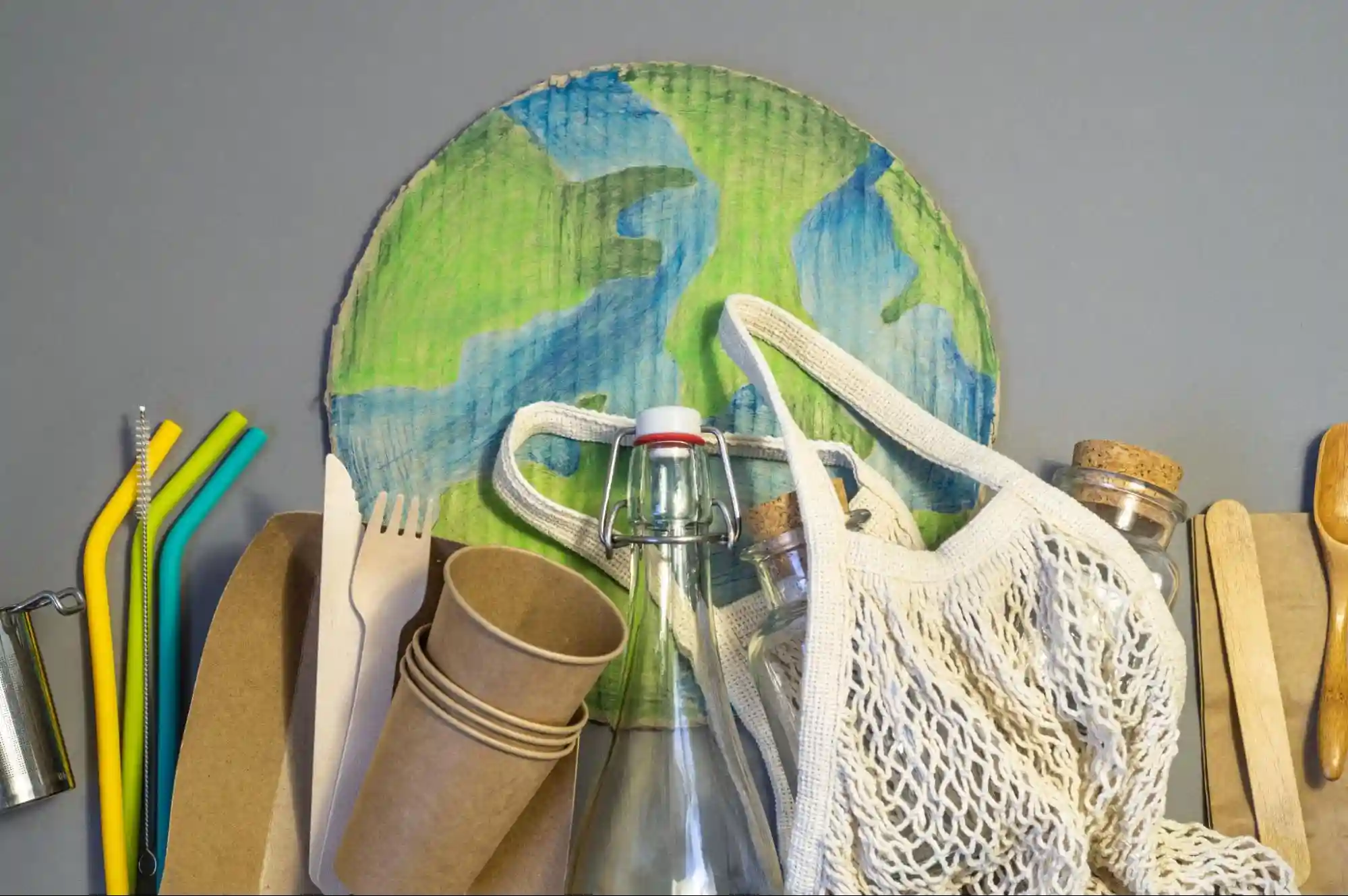
Living sustainably is more important than ever. As individuals, we have the power to make choices that positively impact our planet. Switching to eco-friendly products is a significant step in that direction. This guide focuses on practical insights and real-world applications to help you transition smoothly into a more sustainable lifestyle. By choosing eco-friendly products, you contribute to a healthier environment while also enjoying the benefits of safer and often more effective alternatives.
Understanding Eco-Friendly Products
Eco-friendly products are designed to minimize their impact on the environment. They typically use sustainable materials that are biodegradable or are produced with methods that reduce pollution. The significance of these products becomes clear when comparing them to conventional options, which often contribute to environmental degradation through harmful chemicals, excessive waste, and resource depletion. Understanding what constitutes an eco-friendly product is essential for making informed choices that benefit both you and the planet.
Identifying Eco-Friendly Products
Recognizing Certifications and Labels
When shopping for eco-friendly products, it’s crucial to look for certifications and labels that indicate sustainability. Certifications like USDA Organic, Energy Star, and Fair Trade assure consumers that the products meet specific environmental and ethical standards. However, not all claims are created equal. Researching brands and their practices can help you make smarter choices. Look for brands that transparently share their sourcing and manufacturing processes, as this transparency is a good sign of commitment to eco-friendliness.
Evaluating Ingredients and Materials
Ingredient transparency is another key factor when identifying eco-friendly products. Focus on items made from biodegradable or recyclable materials. Products that avoid harmful chemicals, such as parabens and phthalates in personal care items, are often better for both your health and the environment. Reading labels carefully can reveal a lot about a product’s sustainability. It’s not just about what’s included but also what’s left out that matters.
Practical Steps to Transition to Eco-Friendly Products
Assessing Your Current Consumption
Before making changes, take stock of what you currently use. Conducting a home inventory can help you identify non-eco-friendly products. Look through your kitchen, bathroom, and cleaning supplies, and note items that could be replaced. This assessment allows you to prioritize which products to switch out first based on factors like usage frequency and environmental impact. Making a list can help keep you organized and focused on your goals.
Creating a Replacement Plan
Transitioning to eco-friendly products doesn’t have to happen all at once. Create a replacement plan that outlines which items to phase out and when. Consider budgeting for eco-friendly alternatives, as some may be more expensive upfront. However, many eco-friendly products are cost-effective in the long run, especially when considering their durability and the health benefits they provide. Gradually replacing items as they run out can make the transition smoother and more manageable.
Eco-Friendly Products for Key Areas of Life
Kitchen Essentials
The kitchen is a great place to start transitioning to eco-friendly products. Look for cookware made from sustainable materials, such as stainless steel or cast iron, which last longer and are less harmful to the environment. Use glass or silicone food storage containers instead of plastic, which can leach chemicals into food and is often not recyclable. By choosing eco-friendly kitchen essentials, you not only reduce your environmental footprint but also create a healthier cooking environment.
Personal Care and Beauty Products
Your personal care routine offers numerous opportunities to switch to eco-friendly products. Many conventional beauty items contain harmful chemicals that can disrupt hormonal balance and harm the environment. Opt for brands that prioritize sustainability, like those using natural ingredients and eco-friendly packaging. Look for eco-friendly shampoos, conditioners, and skincare products that are cruelty-free and free of synthetic fragrances. This shift not only benefits the planet but often leads to healthier skin and hair.
Cleaning Supplies
Many cleaning products contain harsh chemicals that can be harmful to your health and the environment. Fortunately, there are eco-friendly cleaning supplies available that effectively clean without the negative side effects. You can also create DIY cleaning solutions using simple ingredients like vinegar, baking soda, and essential oils. These alternatives are not only safer but often more economical than their conventional counterparts. Reducing chemical exposure in your home creates a healthier living space for you and your family.
Sustainable Living Beyond Products
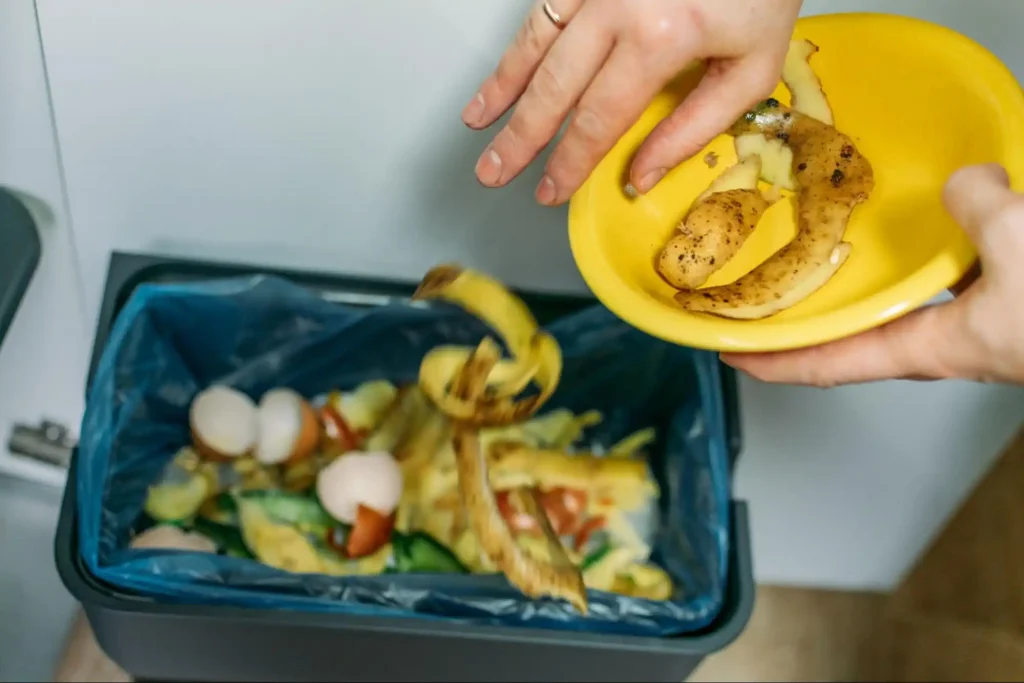
Switching to eco-friendly products is just one aspect of sustainable living. To fully embrace a green lifestyle, consider lifestyle changes that complement your product choices. Reducing waste through practices like composting, recycling, and minimizing single-use items can have a significant impact. Conserving energy by using energy-efficient appliances and being mindful of water usage also plays a crucial role. Supporting local businesses that prioritize sustainability can strengthen your community while reducing your carbon footprint.
Overcoming Challenges in Switching to Eco-Friendly Products
Addressing Misconceptions
Many misconceptions can discourage consumers from switching to eco-friendly products. Some people believe that these products are always more expensive or less effective. In reality, while some eco-friendly products may cost more initially, they often save money over time due to their durability and effectiveness. Additionally, the performance of many eco-friendly products has improved significantly, making them just as effective, if not more so, than traditional options.
Finding Community Support
Switching to eco-friendly products can be challenging, but you don’t have to do it alone. Finding community support can provide motivation and guidance. Many local groups and online forums focus on sustainable living and eco-friendly practices. These platforms can connect you with like-minded individuals who share your goals. Engaging with these communities can offer valuable insights, tips, and encouragement to help you maintain your commitment to eco-friendly living.
Maintaining Your Commitment to Eco-Friendly Living
Staying committed to eco-friendly living requires ongoing effort and education. As you transition to eco-friendly products, make it a habit to stay informed about new sustainable practices and products. Following eco-friendly blogs, attending workshops, or participating in community events can deepen your understanding and help you discover new ways to live sustainably. Embrace the journey, and remember that every small change contributes to a larger impact.
Conclusion
Switching to eco-friendly products is a vital step toward sustainable living. By making informed choices and embracing eco-friendly alternatives, you can contribute to a healthier planet. Start small, be mindful of your consumption, and remember that every positive change counts. Together, our individual choices can lead to significant collective action for a sustainable future.
FAQs
1. What are eco-friendly products?
Eco-friendly products are those designed to have minimal impact on the environment. They are often made from sustainable materials, are biodegradable, and are produced through methods that reduce pollution and waste.
2. How can I identify eco-friendly products?
Look for certifications like USDA Organic or Energy Star, and evaluate the ingredients and materials used. Research brands to ensure transparency in their sourcing and manufacturing processes.
3. Are eco-friendly products more expensive?
While some eco-friendly products may have a higher upfront cost, they often provide long-term savings due to their durability and effectiveness. Additionally, many affordable options are available as demand grows.
4. What are some eco-friendly alternatives to cleaning supplies?
Consider using natural ingredients like vinegar, baking soda, and essential oils to create DIY cleaning solutions. You can also find commercial, eco-friendly cleaning products that are effective and less harmful to the environment.
5. How can I maintain my commitment to eco-friendly living?
Stay informed about sustainable practices, engage with eco-friendly communities, and continuously seek out new products and methods. Embrace the journey, and remember that every small change contributes to a healthier planet.