Food waste is a quiet problem that affects both households and businesses every single day. It shows up in leftovers that never get eaten, expired groceries, and unused ingredients sitting in storage. While it may seem small at first, the impact adds up quickly. It affects budgets, resources, and the environment. This is why food waste reduction has become a key focus in sustainability efforts. The good news is that simple changes can make a big difference. With the right approach, both homes and businesses can reduce waste and build smarter habits that last.
Understanding the True Cost of Food Waste
Most people think of food waste only in terms of money, but the real cost goes much deeper. When food is wasted, all the resources used to produce it are wasted too. This includes water, energy, labor, and transportation. For businesses, this means lower profit margins and higher operational costs. For households, it means spending more than necessary on groceries that never get used. Food waste reduction helps address these hidden costs by encouraging better planning and smarter consumption. Once people understand the full impact, they become more aware of their daily choices.
Why Food Waste Happens So Often
Food waste often happens because of habits, not intention. People buy more than they need, forget what they already have, or misunderstand expiration dates. In businesses, poor inventory management and overproduction are common issues. Restaurants, for example, may prepare more food than they sell to avoid running out. This leads to unnecessary waste. Food waste reduction starts by recognizing these patterns. When you understand why waste happens, it becomes easier to prevent it. Awareness is always the first step toward change.
Smart Planning for Better Food Management
Planning is one of the simplest ways to reduce waste. When you know what you need, you avoid buying extra items that may go unused. In homes, this means creating a meal plan and shopping list before going to the store. In businesses, it involves forecasting demand based on past data. Food waste reduction becomes much easier when planning is consistent. It helps control quantities and ensures that food is used efficiently. Over time, this approach builds a habit of mindful consumption.
Improving Storage Practices
How food is stored plays a major role in how long it lasts. Many people do not realize that improper storage leads to faster spoilage. Keeping fruits, vegetables, and leftovers in the right conditions can extend their freshness. Businesses can benefit from organized storage systems that make it easy to track inventory. Food waste reduction depends on these small but important details. When food is stored properly, it stays usable for longer periods, reducing the need to throw it away.
Understanding Expiration Dates Clearly
One common cause of waste is confusion around expiration labels. Many people assume that once a date has passed, the food is no longer safe to eat. In reality, many labels refer to quality rather than safety. Learning the difference can prevent unnecessary waste. Food waste reduction improves when people trust their senses and understand how to judge food freshness. This simple knowledge can save both money and resources.
Using Leftovers Creatively
Leftovers are often overlooked, but they can be turned into new meals with a little creativity. Instead of throwing them away, think of ways to reuse them. Cooked vegetables can be added to soups, and extra meat can be used in sandwiches or salads. Businesses can also repurpose ingredients to create new menu items. Food waste reduction becomes more effective when leftovers are seen as an opportunity rather than a problem. This mindset shift makes a big difference over time.
Portion Control in Homes and Businesses
Serving the right portion size is another important factor. In homes, large portions often lead to uneaten food. In restaurants, oversized servings can result in customer waste. Adjusting portion sizes helps reduce this issue. Food waste reduction is easier when portions match actual needs. This approach not only reduces waste but also improves overall efficiency and cost management. Small adjustments in serving sizes can lead to noticeable improvements.
Technology and Tools That Help Reduce Waste
Technology is playing a growing role in reducing food waste. Apps can help track inventory, suggest recipes based on available ingredients, and remind users of expiration dates. Businesses can use software to monitor stock levels and predict demand. Food waste reduction becomes more manageable with these tools because they provide real-time insights. When data is used effectively, decisions become more accurate, and waste is minimized.
Training and Awareness in Workplaces
For businesses, staff training is essential. Employees need to understand the importance of reducing waste and how their actions contribute to it. Simple practices like proper handling, storage, and portioning can make a big difference. Food waste reduction improves when everyone is involved and aware of their role. Creating a culture of responsibility ensures that these practices become part of daily operations.
Donating Surplus Food Responsibly
Not all excess food has to go to waste. Many organizations accept surplus food and distribute it to those in need. This is a great way for businesses to reduce waste while helping the community. Homes can also share extra food with neighbors or local groups. Food waste reduction takes on a more meaningful role when it supports others. It turns a problem into a positive contribution.
Composting as a Last Step
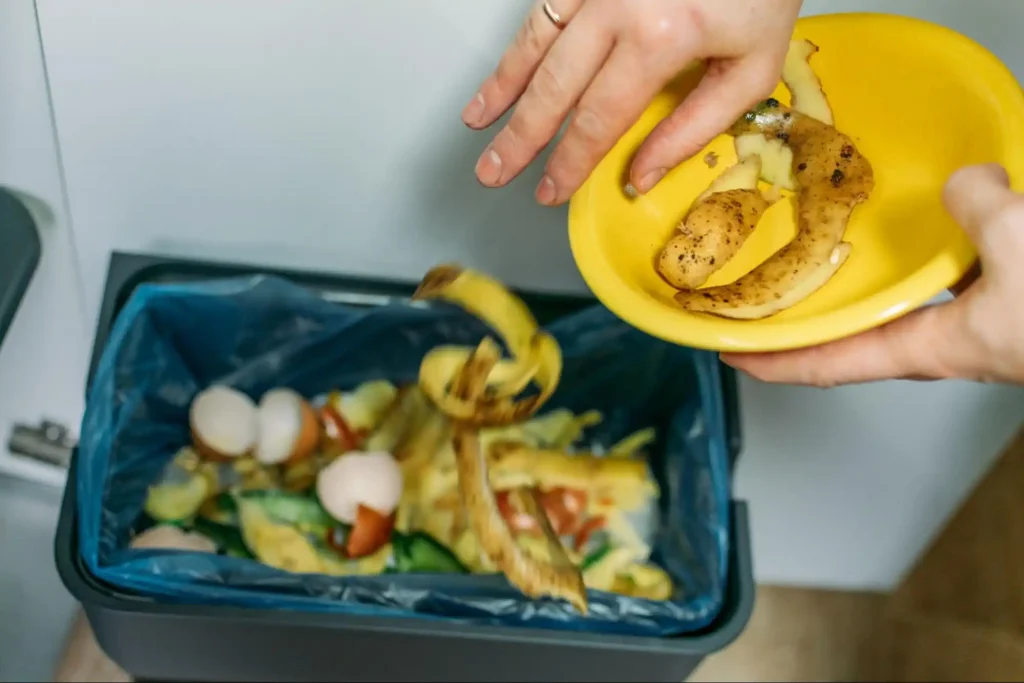
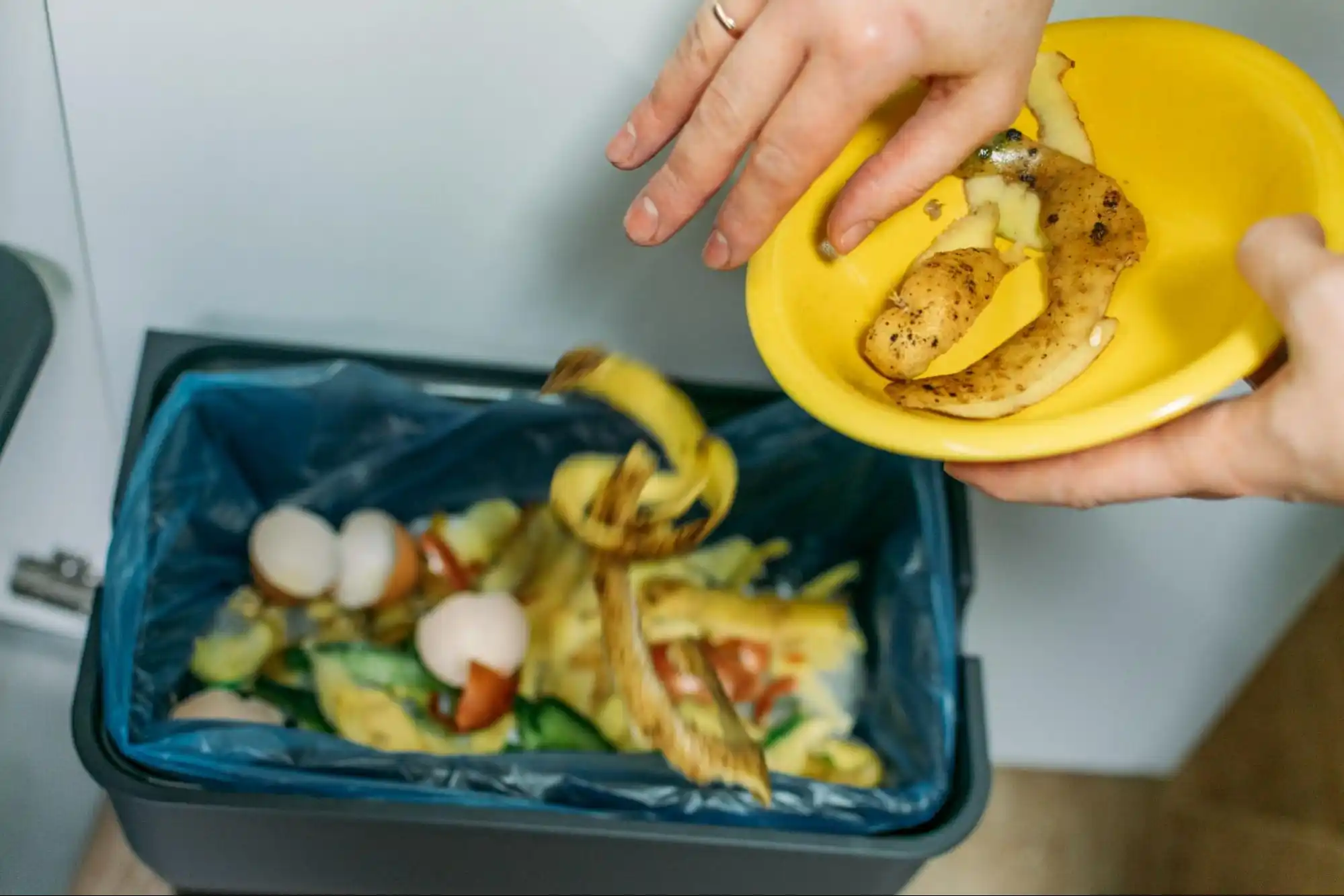
Even with the best efforts, some food waste is unavoidable. Composting is a way to handle this waste responsibly. Instead of sending it to landfills, composting turns food scraps into useful material for soil. Both homes and businesses can adopt this practice. Food waste reduction does not always mean eliminating waste, but managing it in a better way. Composting is an effective solution for what remains.
Building Long-Term Sustainable Habits
Reducing food waste is not a one-time effort. It requires consistent habits and ongoing awareness. Small changes, when repeated daily, create lasting results. Food waste reduction becomes easier when it is part of your routine. Over time, these habits become second nature. This leads to better resource use, lower costs, and a more sustainable lifestyle. The key is to stay consistent and keep improving.
Conclusion
Food waste is a challenge that affects everyone, but it is also something that can be controlled with the right approach. From better planning and storage to creative use of leftovers and responsible disposal, every step matters. Food waste reduction is not about perfection. It is about making smarter choices each day. When homes and businesses work toward this goal, the impact goes beyond saving money. It contributes to a healthier environment and a more responsible way of living.