Many products today are marketed as green or sustainable, but not all of them meet real environmental standards. For people who already understand the basics of eco living, the question is no longer what sustainability means, but how to identify it in practice. Biodegradable products often stand at the center of this conversation. They promise to break down naturally and reduce long-term waste. However, not every product labeled this way performs as expected. Knowing what truly makes a product eco-friendly requires looking deeper into materials, processes, and long-term impact.
What Biodegradable Really Means in Practice
Biodegradability is often misunderstood. It does not simply mean that a product disappears over time. It means that natural processes break it down into basic elements without leaving harmful residue. Biodegradable products must decompose through the action of microorganisms like bacteria and fungi. The speed and safety of this process matter. A product that takes decades to break down or leaves toxic remnants cannot be considered fully eco-friendly.
Materials That Support True Decomposition
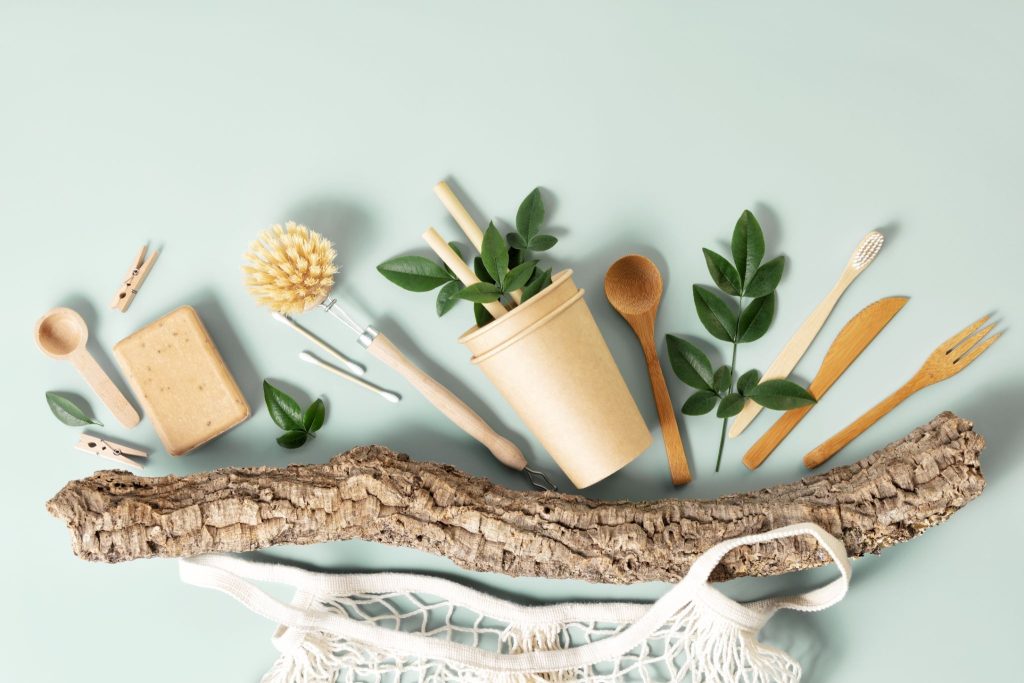
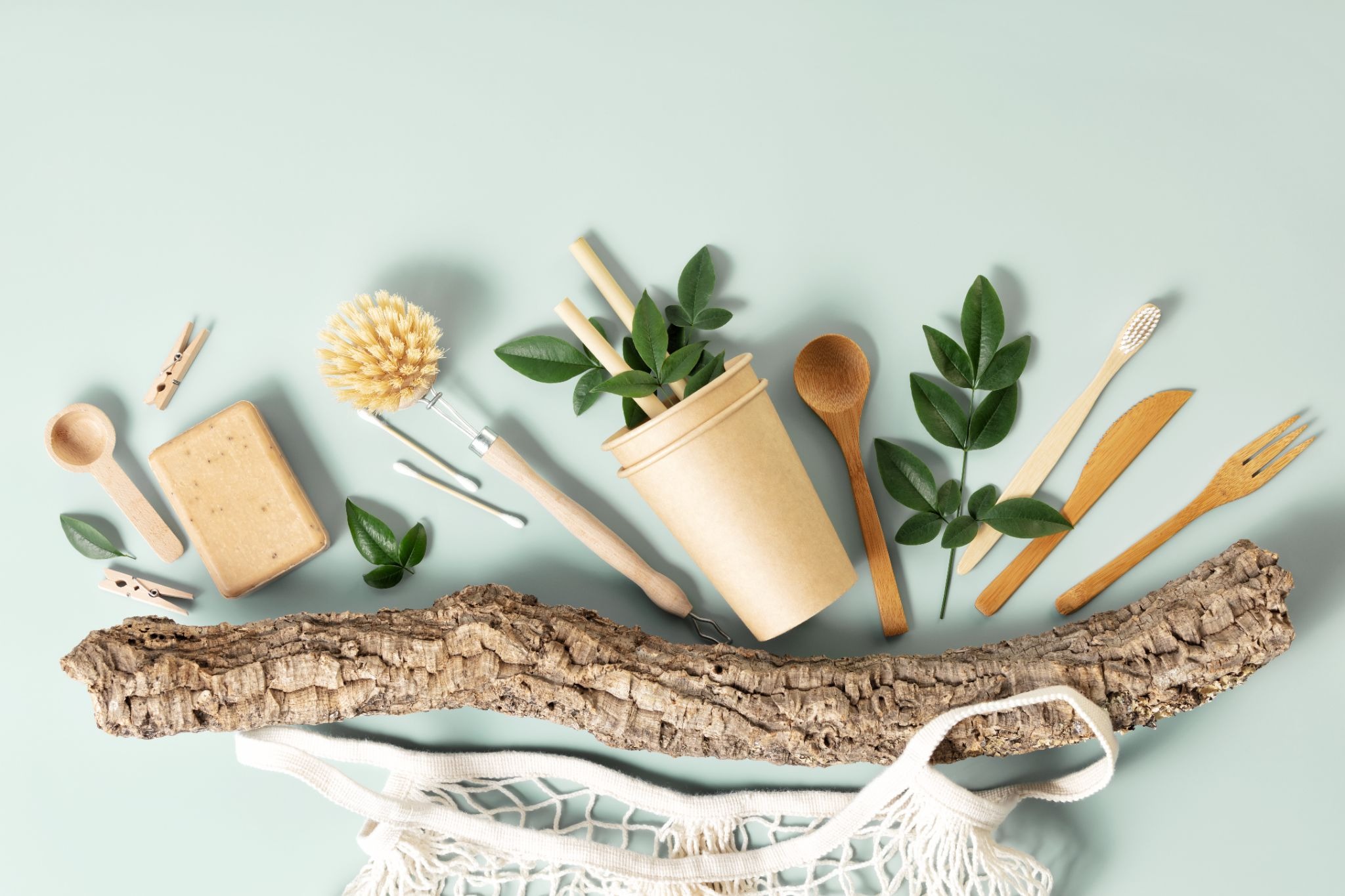
The foundation of any biodegradable item lies in its materials. Natural fibers, plant-based plastics, and untreated wood are common examples. These materials break down more easily because they are closer to natural organic compounds. Biodegradable products made from synthetic blends often struggle to decompose properly. Even small amounts of non-natural additives can slow or prevent breakdown, which reduces the environmental benefit.
Plant-Based Inputs and Their Limits
Plant-based materials are widely used in eco-friendly products. Corn starch, bamboo, and sugarcane are popular choices. While these inputs are renewable, their processing methods matter. If heavy chemicals are used during production, the final product may lose its environmental advantage. Biodegradable products should maintain a balance between natural sourcing and responsible processing.
Avoiding Hidden Synthetic Additives
Some products include additives to improve durability or appearance. These can interfere with decomposition. Biodegradable products that contain hidden synthetic elements may not break down fully. Careful labeling and transparency are essential for identifying truly eco-friendly options.
The Role of Manufacturing in Sustainability
Production processes play a major role in determining whether a product is truly eco-friendly. Energy use, water consumption, and emissions all affect the overall impact. Biodegradable products made through high-pollution methods may offset their environmental benefits. Responsible manufacturing focuses on reducing waste and using cleaner energy sources.
Packaging and Its Environmental Impact
Packaging is often overlooked when evaluating sustainability. A biodegradable product wrapped in non-recyclable plastic creates unnecessary waste. True eco-friendly design considers the entire lifecycle, including packaging. Biodegradable products should ideally use minimal or compostable packaging to maintain consistency with their purpose.
Real World Conditions vs Lab Claims
Many products are tested in controlled environments where conditions are ideal for decomposition. In reality, waste systems vary widely. A product that breaks down quickly in a lab may not do the same in a landfill. Biodegradable products should be evaluated based on real-world conditions. Understanding where and how they will decompose is key to assessing their value.
Compostability vs Biodegradability
These two terms are often used together but have different meanings. Compostable items break down within a specific time frame and leave nutrient-rich material behind. Biodegradable products may take longer and do not always produce useful compost. Knowing this difference helps consumers make better choices based on their waste management options.
Certifications That Add Credibility
Reliable certifications can help verify claims. Labels from recognized environmental organizations indicate that a product meets certain standards. Biodegradable products with proper certification are more likely to perform as advertised. However, it is still important to understand what each certification covers, as standards can vary.
Lifecycle Thinking for Better Decisions
Looking at the full lifecycle of a product provides a clearer picture of its impact. This includes raw material sourcing, production, use, and disposal. Biodegradable products should be evaluated at each stage. A product that performs well in one area but poorly in another may not be truly sustainable overall.
Consumer Behavior and Its Influence
Even the best products require responsible use. Disposal methods affect how well items break down. Biodegradable products thrown into the wrong waste stream may not decompose properly. Consumer awareness plays a big role in achieving the intended environmental benefits.
Cost vs Environmental Value
Eco-friendly products often come at a higher price. This can make them less accessible for some consumers. However, the long-term environmental value can justify the cost. Biodegradable products reduce pollution and waste, which benefits society as a whole. Balancing affordability with sustainability remains a challenge.
Misleading Marketing and Greenwashing
Not all eco claims are genuine. Some companies use vague language to appear sustainable without meeting real standards. Biodegradable products can be part of this trend if claims are not backed by evidence. Learning to identify misleading marketing helps consumers avoid false choices.
Innovations Improving Biodegradable Design
Advances in material science are improving the performance of eco-friendly products. New plant-based polymers and improved processing methods are making biodegradable products more effective. These innovations aim to reduce environmental impact while maintaining usability.
Challenges in Waste Management Systems
Waste systems are not always equipped to handle biodegradable materials properly. Lack of composting facilities can limit their effectiveness. Biodegradable products rely on proper infrastructure to achieve their full potential. Improving waste management is an important part of the solution.
Practical Tips for Choosing Better Products
Making better choices requires attention to detail.
Check for clear material information and certifications
Avoid products with vague or unsupported claims
Consider how and where the product will be disposed of These steps help ensure that biodegradable products deliver real environmental benefits.
Long-Term Impact on Eco Living
Choosing better products contributes to a larger shift in consumption habits. Biodegradable products support a move toward reducing waste and protecting natural resources. Over time, these choices can influence industry practices and encourage more sustainable production methods.
Conclusion
A truly eco-friendly product goes beyond simple labels. It reflects careful choices in materials, manufacturing, and disposal. Biodegradable products can play an important role in reducing environmental impact, but only when they meet real standards. By understanding what to look for and how to use these products effectively, consumers can make decisions that support long-term sustainability.
FAQs
1. What makes biodegradable products different from regular products
Biodegradable products break down naturally through microorganisms, while regular products may persist in the environment for years. The key difference lies in how they decompose and whether they leave harmful residue. This makes biodegradable options more environmentally responsible when used and disposed of correctly.
2. Are all biodegradable products safe for the environment
Not all biodegradable products are completely safe. Some may contain additives that affect decomposition or leave residues. It is important to check materials and certifications to ensure that the product breaks down properly and does not harm the environment during the process.
3. Do biodegradable products require special disposal methods
Many biodegradable products perform best in composting conditions where temperature and moisture are controlled. If placed in regular landfills, they may not break down as expected. Understanding local waste systems helps ensure that these products achieve their intended environmental benefits.
4. Why do some biodegradable products cost more
Higher costs often come from sustainable sourcing and cleaner production methods. Biodegradable products may use renewable materials and require careful processing, which increases expenses. However, the environmental benefits and reduced long-term waste can make them a worthwhile investment.
5. How can I avoid greenwashing when buying eco products
To avoid greenwashing, look for clear labeling, verified certifications, and detailed material information. Biodegradable products should provide transparency about their composition and breakdown process. Avoid vague claims and choose brands that offer evidence to support their sustainability statements.